
Nutrition and Exercise After Cat Sterilization
Why sterilize a cat? Real benefits
Deciding to sterilize a cat is not just a medical or health issue—it’s an act of responsibility. At first, it may seem like an unnecessary intervention, but the reality is quite different when you understand all the benefits involved.
Sterilization helps prevent serious diseases such as uterine infections, mammary tumors in females, or prostate problems in males. It also drastically reduces behaviors associated with mating, such as excessive meowing, urine marking, or escape attempts.
Additionally, it prevents unwanted litters, which is essential in a country where thousands of cats are abandoned each year. By sterilizing your cat, you contribute to a more responsible and supportive society that prioritizes animal welfare. And, although it may seem contradictory, you will also be relieving a lot of stress for your cat. The sexual instinct can be a source of frustration when it cannot be satisfied, especially in indoor cats. Sterilization improves their quality of life and increases their lifespan.
Before the surgery: doubts, fears, and difficult decisions
As an owner, one of the toughest moments after deciding to sterilize your cat is the pre-surgery phase. Knowing that you are taking them for surgery, even a routine one, can cause anxiety. Thoughts like, “Will my cat suffer?” or “Will they change?” are common.
It’s normal to wonder if you are doing the right thing. Many fear that the cat will “stop being themselves,” but most post-sterilization changes are positive: greater calmness, less aggression, and more affection. While there is a tendency for weight gain, this can be managed with proper nutrition and physical activity.
How to care for your cat after sterilization
Cats usually recover quickly after sterilization, but they require specific care during the post-operative period. In the first few days, keep an eye on the wound, prevent excessive licking (using an Elizabethan collar if necessary), and watch for signs of infection.
Your cat may be calmer or even a bit lethargic at first. Provide them with a safe, warm, and quiet space with their bed nearby, avoiding stairs or jumps. They should also avoid strenuous activity for at least a week.
Seeing your cat sluggish can be distressing, but trust the process. Sit next to them, talk to them, or pet them as you normally do. This will provide comfort and reassurance. During recovery, the bond between owner and cat strengthens the most. Your cat is not just recovering from surgery; they are your companion, your family
Feeding a sterilized cat: What to give them and why it matters
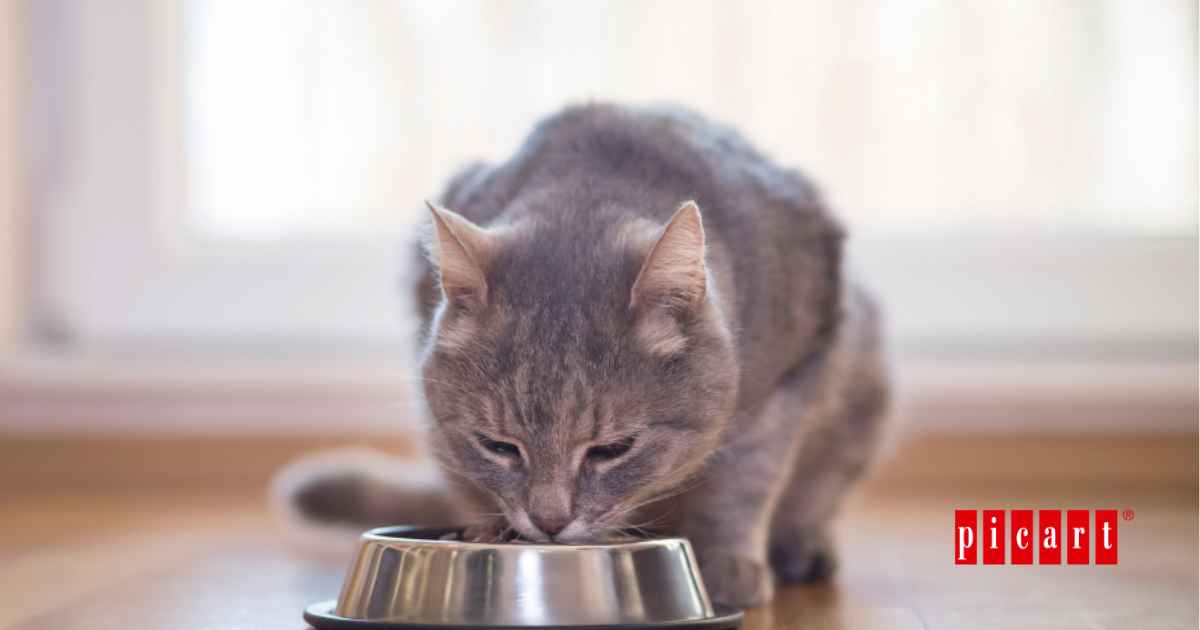
After sterilization, a cat’s metabolism changes. They burn fewer calories and often experience an increased appetite. This, combined with reduced activity, can lead to overweitht if their diet is not adjusted.
Providing a specialized food for sterilized cats is key, as these formulations meet their new nutritional needs with high protein content and ingredients that support urinary health. For example:
- Picart Select Cat Adult Sterilised Light: Ideal for maintaining weight without compromising taste or nutrients.
- Picart Nutribest Cat Adult Sterilised: A balanced option with high premium ingredients that protect urinary and digestive health.
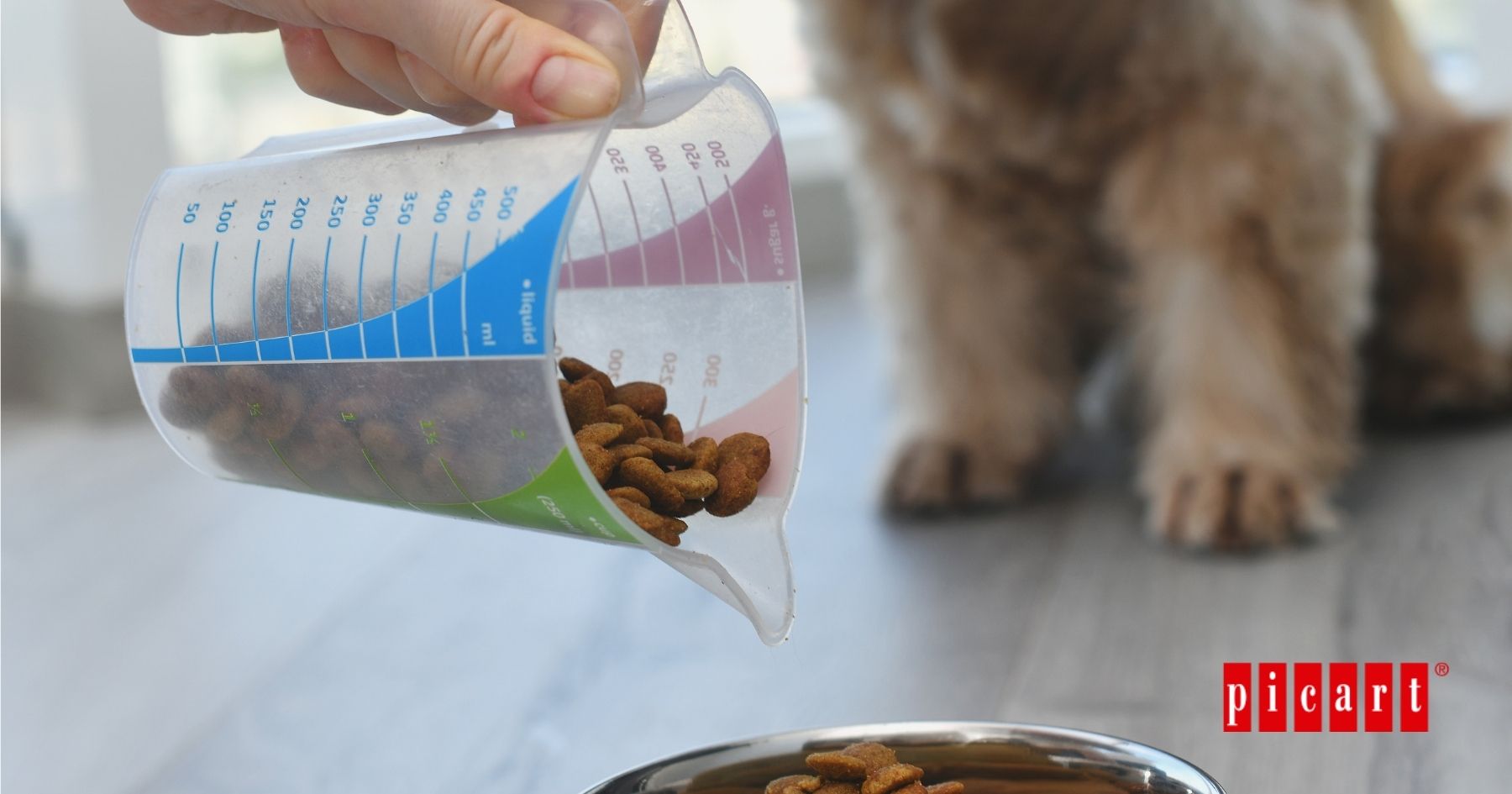
Changing their diet right after surgery can help stabilize their appetite and avoid the typical “hunger attacks.” Dividing daily portions into smaller meals helps keep them satisfied without overfeeding them.
Proper nutrition is the best way to prevent complications, from weight gain to common urinary issues in sterilized cats. And if they enjoy the food—like they do with Picart’s varieties—half the battle is won.
Exercise and stimulation: Preventing weight gain without stress
It’s not just about food—exercise is another fundamental pillar. A sterilized cat may feel less inclined to move, but that doesn’t mean we should give up. On the contrary, they need daily stimulation.
Interactive toys, feather wands, balls with treats inside, tunnels, and climbing structures all help engage their instincts. You don’t need a gym at home—just routines where your cat can run, chase, and explore.
One effective strategy is reserving 15 minutes a day for interactive play. Another great trick: hiding portions of their food around the house. This encourages movement and triggers their hunting instinct.
Physical activity not only keeps their weight in check but also reduces stress, improves their mood, and strengthens their bond with their owner. Because yes—playing together is also a form of care.
Behavioral changes after sterilization: What no one tells you
One of the most common concerns is whether a cat will change too much after sterilization. And yes, there are some changes.
Some cats become calmer, less territorial, and more affectionate. They don’t lose their essence or personality, but it may soften a bit.
Each cat is unique, but many owners report that sterilized cats become more home-oriented and relaxed. That said, they still need proper stimulation, especially if they were highly active before.
The key is understanding your cat, adapting to their new rhythms, and offering stable routines. If you notice abrupt or unusual changes, consult a vet. Sometimes, we confuse normal behaviors with actual health concerns.
The best food for sterilized cats
As a brand specializing in feline nutrition, Picart Petcare has developed a line specifically for sterilized cats. Here are some recommendations based on their profile:
- Picart Select Cat Adult Sterilised Light: Perfect for sterilized adult cats needing weight control.
- Picart Select Cat Adult Sensitive Sterilised Light: Suitable for cats that are overweight or that have delicate digestions or mild allergies.
- Picart Select Cat Adult 7+ Sterilised Light: Designed for sterilized cats over 7 years old, with ingredients adapted to their needs.
- Select Cat Wet Sterilised: A wet food option that promotes hydration and is highly palatable.
We recommend combining dry kibble with wet food to maintain hydration, especially for cats that drink little water. With Picart, you can create a varied, balanced, and functional menu without compromising on quality.
Caring for your cat after sterilization is easier than you think
Sterilizing a cat is a significant decision that brings uncertainties but also many opportunities. Opportunities to improve their health, strengthen your bond, and build a calmer, more balanced routine.
From nutrition to exercise, behavioral changes, and post-surgery care, everything can be well-managed if you stay informed and connected with your cat. Because in the end, it’s not just about the surgery—it’s about supporting them before, during, and after the process.
And if you do it with high-quality products like Picart Petcare and lots of love, the recovery will be faster, happier, and smoother than you imagine.

Comments (0)