
Alergias alimentarias en perros: qué son, síntomas y tratamiento
La alergia alimentaria en perros puede afectar a su piel y sistema digestivo. Descubre sus síntomas, causas y cómo una alimentación hipoalergénica puede mejorar su bienestar.
La alergia alimentaria en perros puede afectar a su piel y sistema digestivo. Descubre sus síntomas, causas y cómo una alimentación hipoalergénica puede mejorar su bienestar.
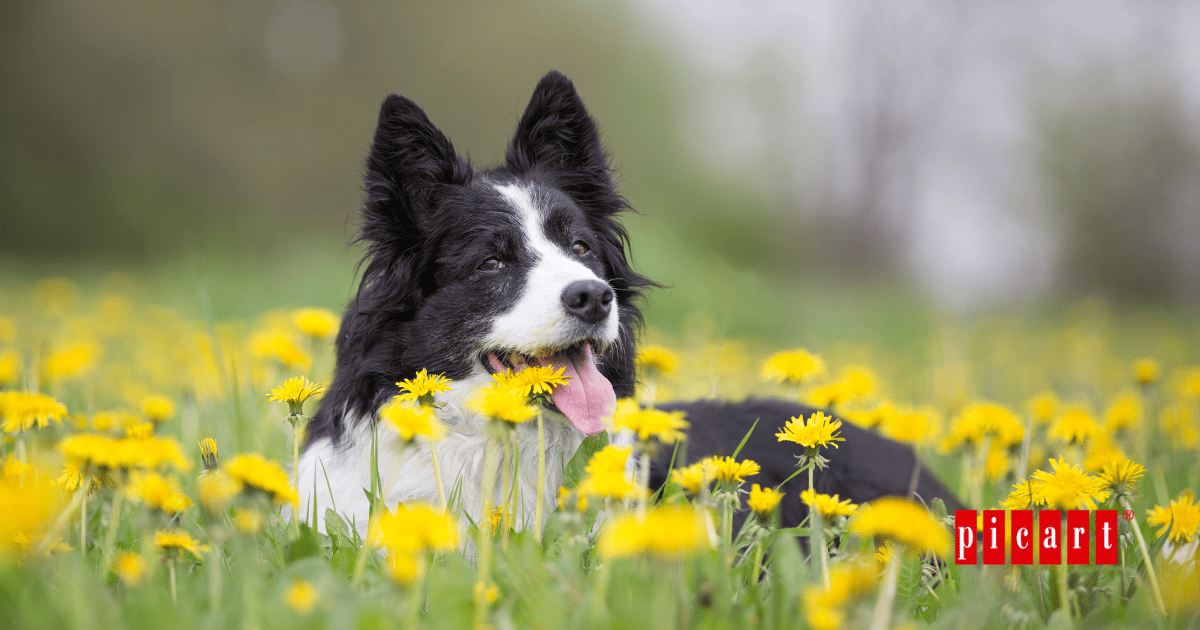
La primavera también puede suponer riesgos para tu mascota. Alergias, insectos y parásitos son más frecuentes en esta época. Descubre cómo proteger a tu perro y prevenir problemas de salud.

La alergia alimentaria en perros puede afectar a su piel y sistema digestivo. Descubre sus síntomas, causas y cómo una alimentación hipoalergénica puede mejorar su bienestar.

Los hábitos alimentarios no solo afectan a la salud del perro, sino también a su comportamiento y bienestar emocional. Establecer rutinas, elegir ingredientes de calidad y evitar excesos es clave para una convivencia equilibrada y feliz.

La esterilización aporta grandes beneficios a la salud de tu gato, pero también puede aumentar su tendencia al sobrepeso. Aprende cómo prevenirlo con una alimentación adecuada y productos especializados.

Para que tu gato goce de una salud óptima, nada
La alergia alimentaria en perros puede afectar a su piel y sistema digestivo. Descubre sus síntomas, causas y cómo una alimentación hipoalergénica puede mejorar su bienestar.
La primavera también puede suponer riesgos para tu mascota. Alergias, insectos y parásitos son más frecuentes en esta época. Descubre cómo proteger a tu perro y prevenir problemas de salud.

Las almohadillas de tu perro son clave para su bienestar y movilidad. Aprende cómo protegerlas del calor, el frío, cortes y sequedad con consejos prácticos de limpieza, hidratación y prevención.
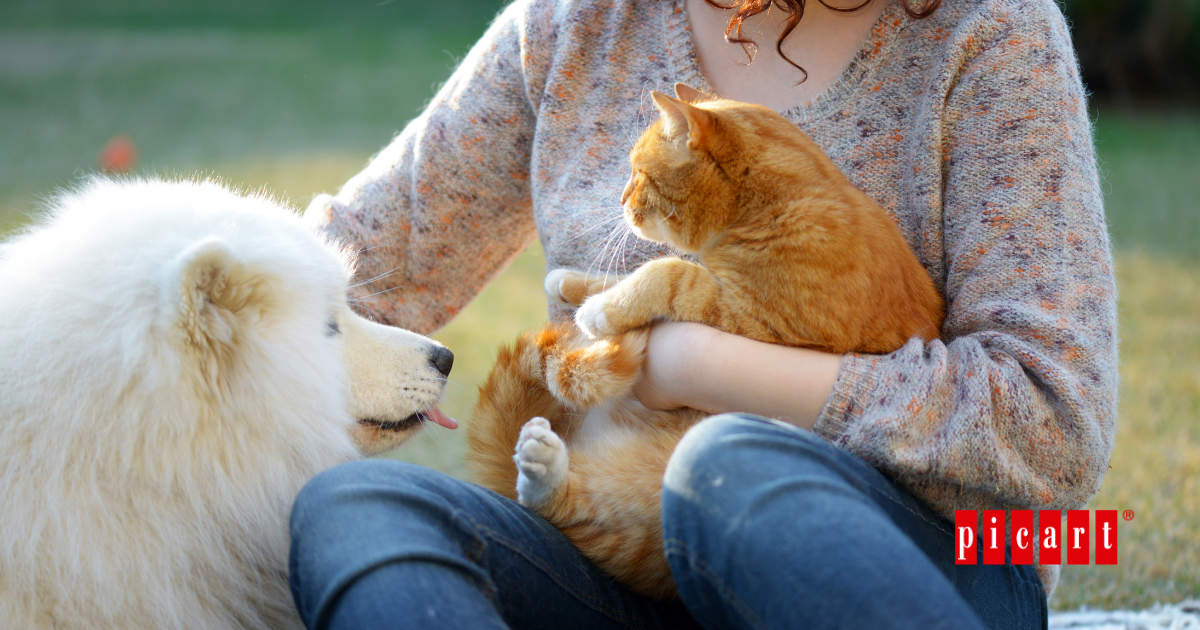
El vínculo con nuestras mascotas se construye día a día. Perros y gatos expresan el cariño de formas distintas, pero ambos muestran señales claras cuando se sienten queridos y seguros. Descubre qué dice la ciencia, cómo interpretar su comportamiento y qué rutinas refuerzan la relación con tu compañero de cuatro patas.

Adoptar un perro significa compromiso, tiempo y responsabilidad. Antes de tomar la decisión, reflexiona sobre tu estilo de vida, recursos y disponibilidad. Aprende cómo elegir la raza que mejor encaja contigo, si te conviene más un cachorro o un perro adulto y qué implica una adopción responsable para garantizar una convivencia feliz y equilibrada.

Si vives con un gato, ya lo sabes: no hay dos iguales. Algunos te miran con cara de filósofo existencial